Blog
Notes on data-driven trading
Practical articles on market structure, level statistics, position sizing and risk management.

All articles
 Aug 31, 2026What the Futures Contract Roll Does to Liquidity — and What It Does NotWe measured the quarterly and monthly contract roll on six futures markets, using tick data and a preregistered design. The roll is a large, measurable liquidity event in index futures — and three of the four things we tested came back negative, including the out-of-sample test on crude oil.Research
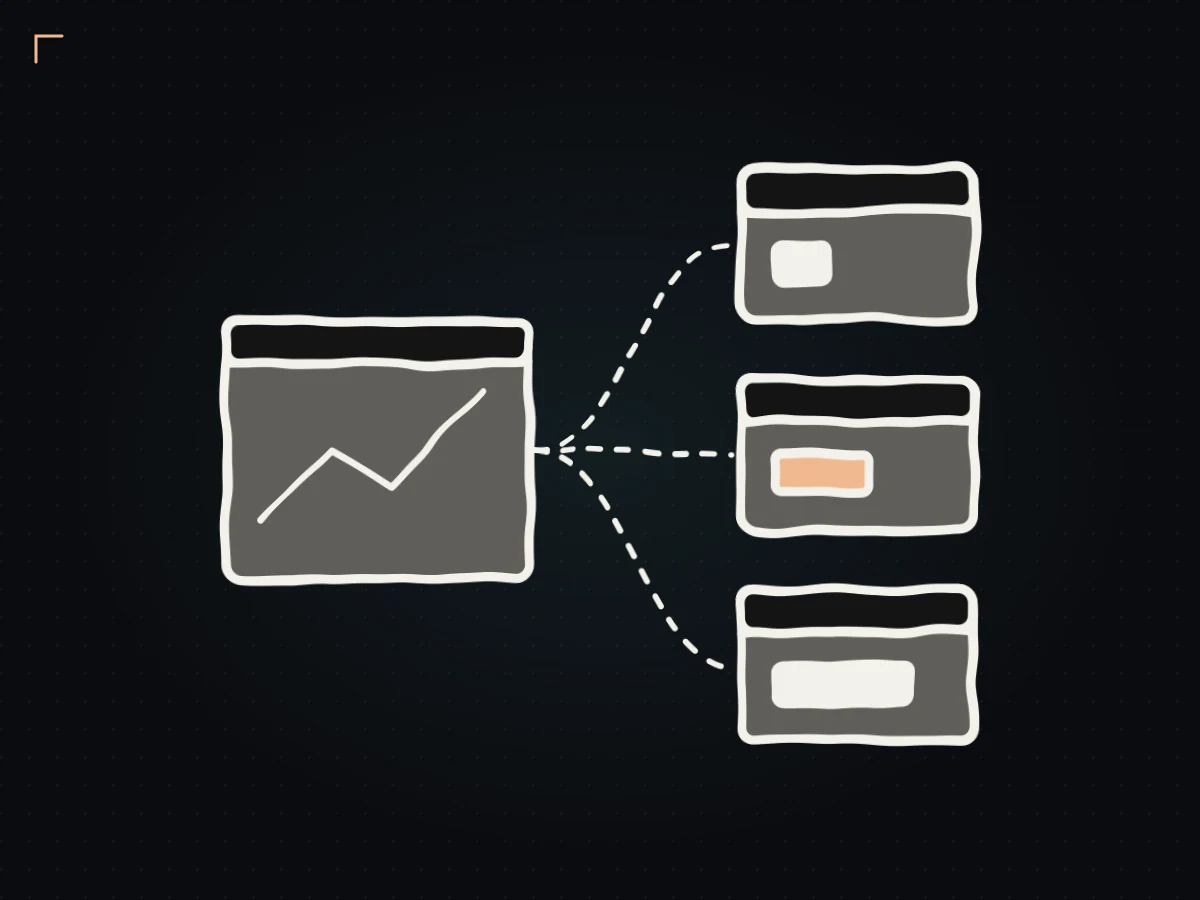 Aug 26, 2026Sierra Chart Trade Copier: Why Per-Account Risk Sizing Beats MultipliersRunning several prop-firm accounts from one Sierra Chart setup? A classic local trade copier multiplies contracts — and quietly multiplies risk. Here is what a trade copier should do instead, and how to set one up.Copy Trading
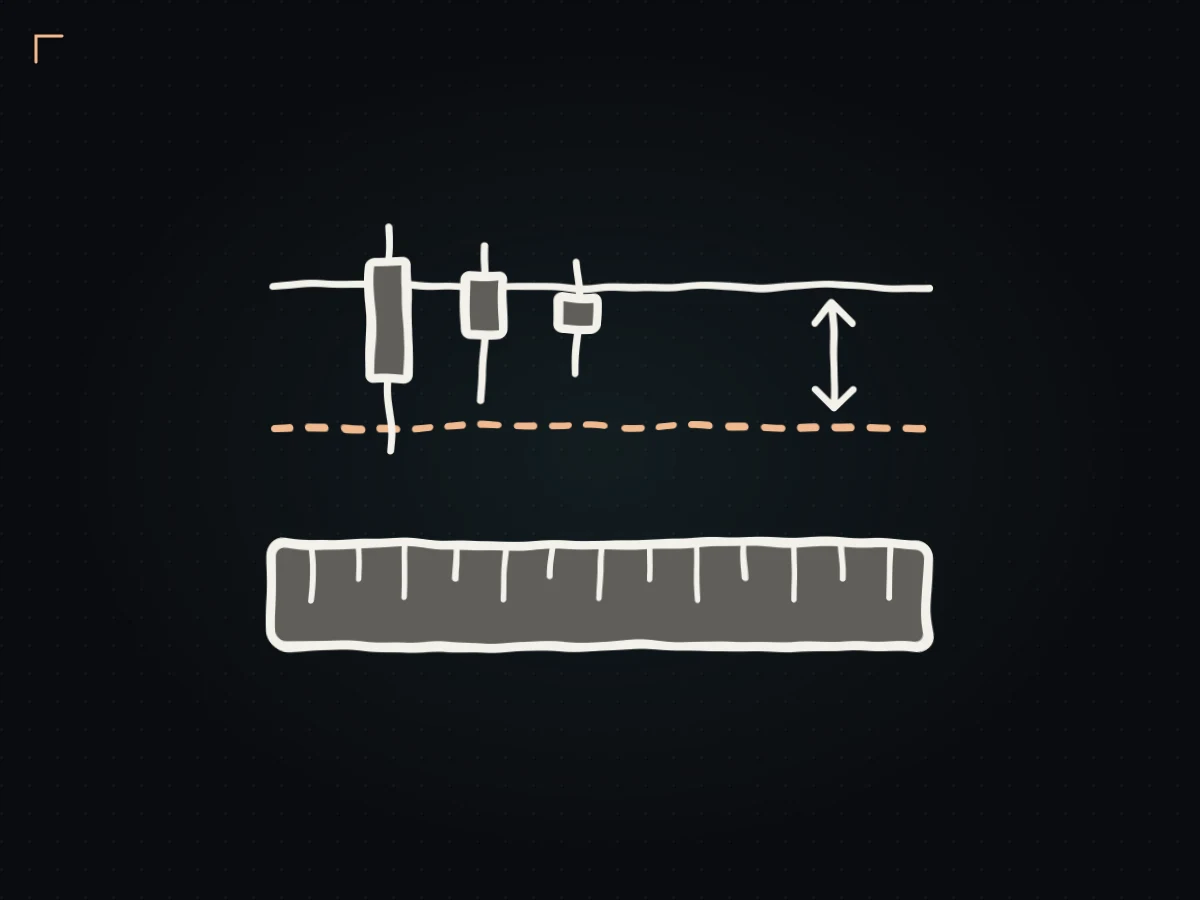 Feb 17, 2026How to Calculate Position Size in Futures TradingLearn the exact formula to calculate your futures position size based on risk per trade, stop distance, and tick value. Step-by-step examples for ES, NQ, and CL.Risk Management
 Feb 16, 2026VPOC Explained: The Most Important Level in Market Profile TradingWhat is VPOC and why do professional traders consider it the most important market profile level? Learn how the Volume Point of Control works and how to trade it.Market Profile
 Feb 15, 2026Fixed Risk vs. Fixed Contracts: Why Most Traders Get Position Sizing WrongTrading the same number of contracts regardless of stop distance creates wildly inconsistent risk. Learn why fixed-risk position sizing is the professional approach.Risk Management
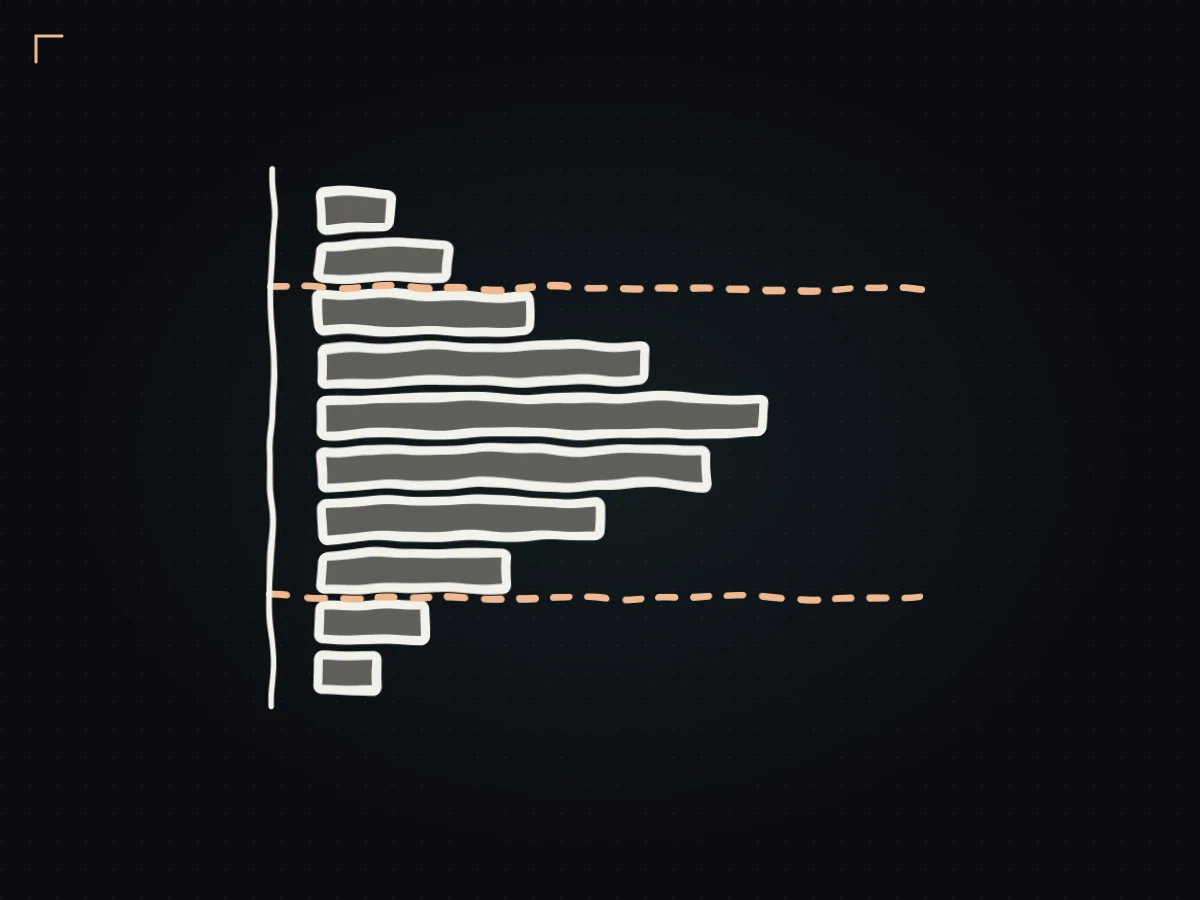 Feb 14, 2026VAH and VAL: What Value Area High and Low Mean in TradingVAH (Value Area High) and VAL (Value Area Low) mark the edges of the price range where 70% of volume traded. Learn what VAH and VAL mean and how to trade them as support and resistance.Market Profile
 Feb 13, 2026The Complete Guide to Futures Risk Management in 2026A comprehensive guide to managing risk in futures trading. From position sizing to drawdown limits, learn the framework that professional traders use to protect capital.Risk Management
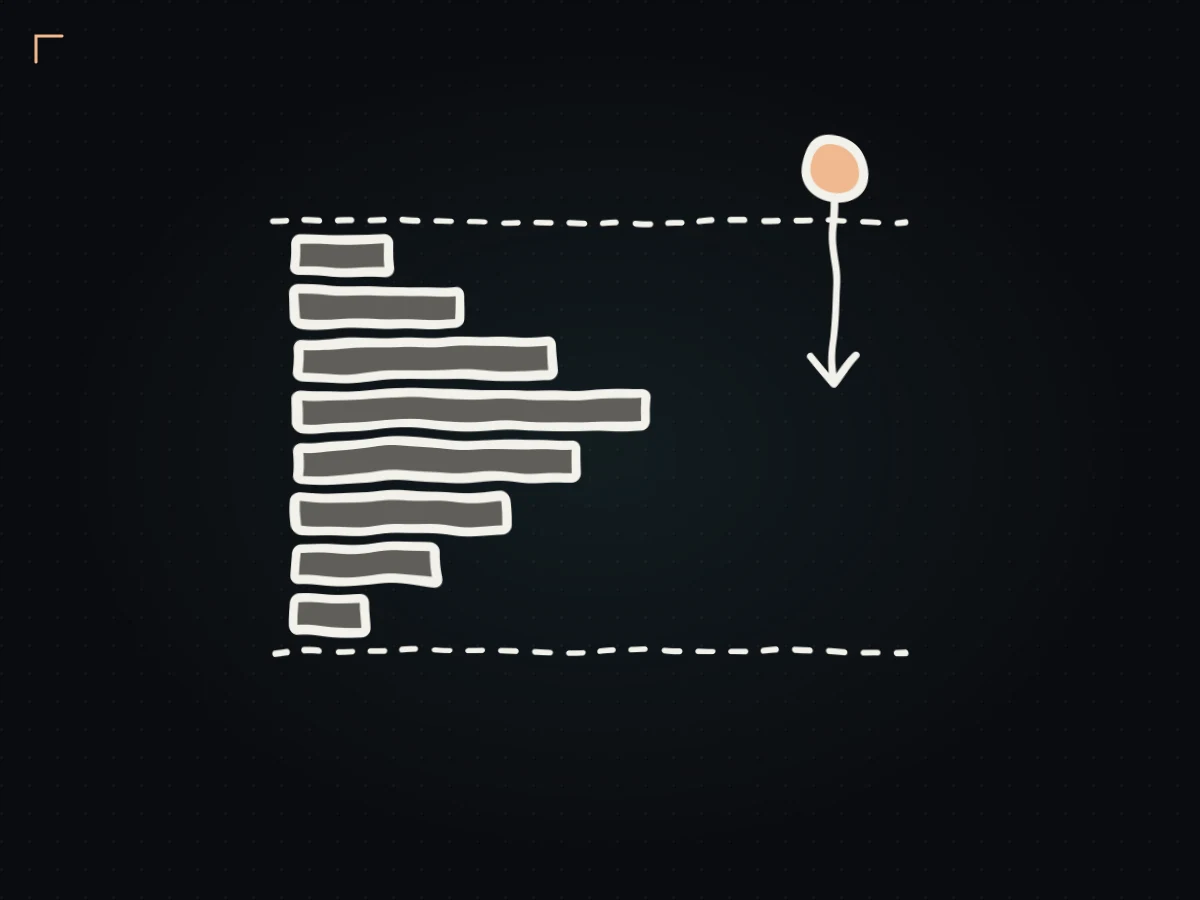 Feb 12, 2026Market Profile Open Types: How the First 30 Minutes Predict the DayWhere the market opens relative to the prior day's range predicts the type of day ahead. Learn the 5 open type classifications — with real ES statistics — and how to trade each one.Market Profile
 Feb 11, 2026ES Futures Position Sizing: A Step-by-Step Guide for E-mini S&P 500Everything you need to know about sizing positions on ES and MES futures. Tick values, contract specs, position size tables, and practical examples for day traders.Position Sizing
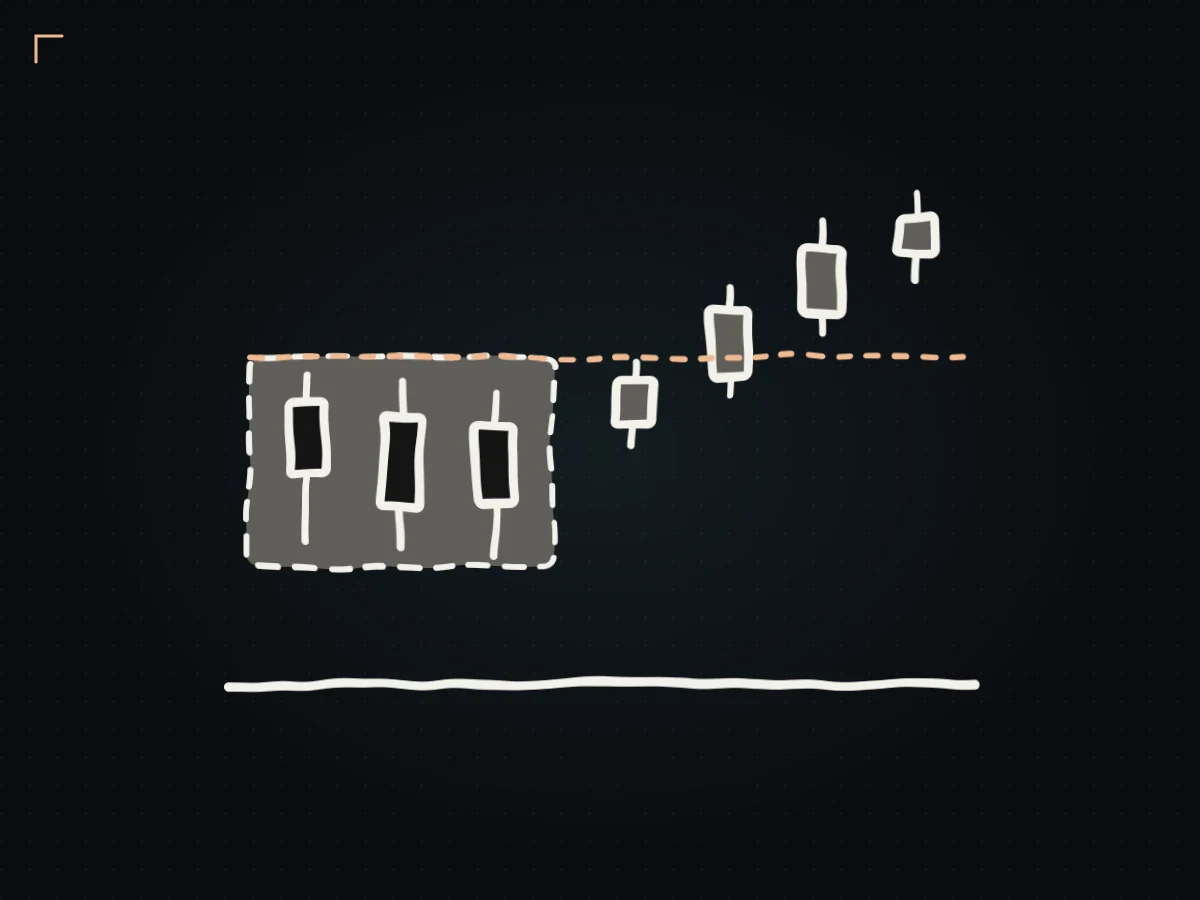 Feb 10, 2026Initial Balance Trading: How to Use the IB Range for Day Trading FuturesThe Initial Balance defines the first hour's trading range and sets the tone for the entire session. Learn how to use IB High, IB Low, and IB width in your trading.Market Profile
 Feb 9, 20265 Position Sizing Mistakes That Quietly Kill Trading AccountsMost account blowups aren't caused by bad entries — they're caused by position sizing errors. Here are the 5 most common mistakes and how to fix each one.Risk Management
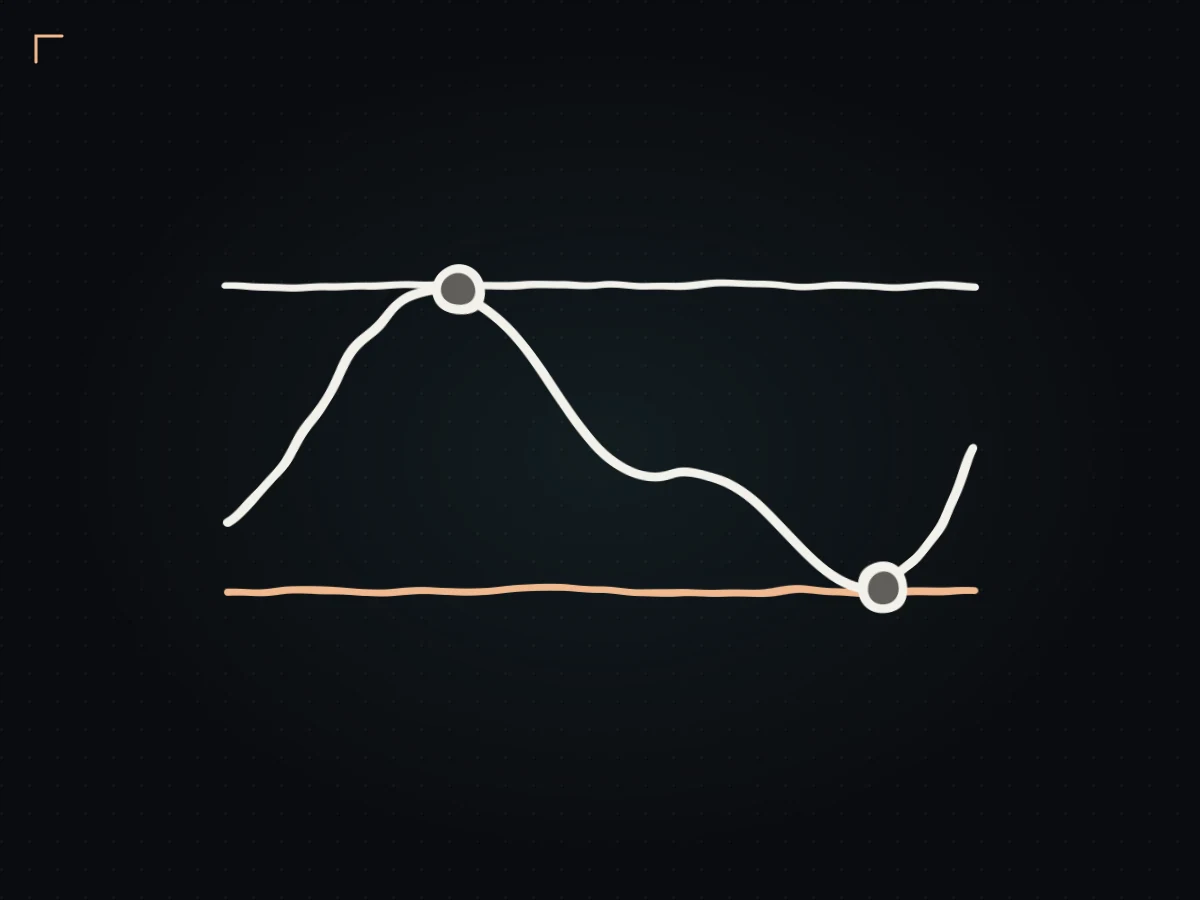 Feb 8, 2026Prior Day High and Low: Do These Levels Actually Matter? A Statistical AnalysisEvery trader marks the prior day's high and low on their chart. But do these levels have a real statistical edge? We analyze the data and show when they work best.Market Profile
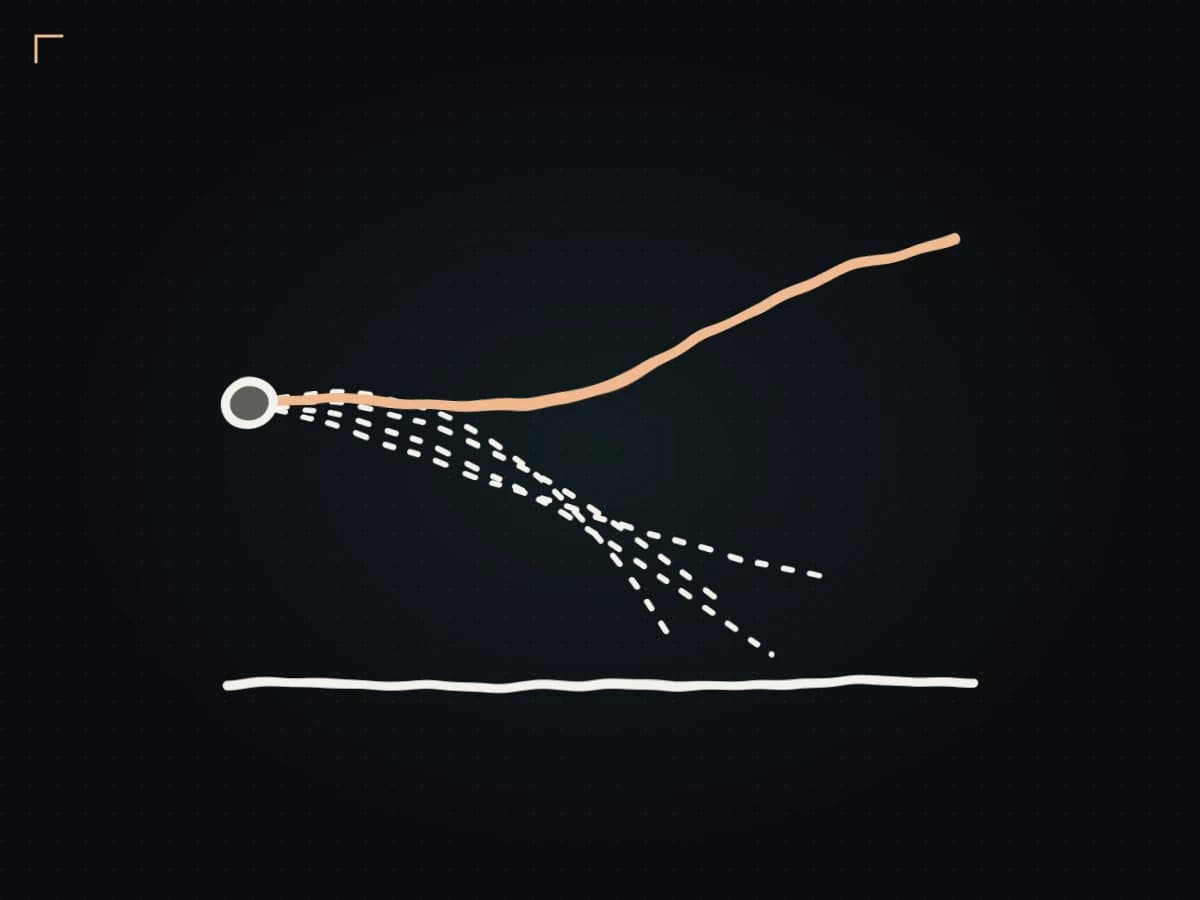 Oct 15, 2025Why 90% of Prop Traders Fail (And How to Fix It)The brutal truth about prop firm challenges: it's not your strategy, it's your risk management. Learn how to automate your discipline.Risk Management